


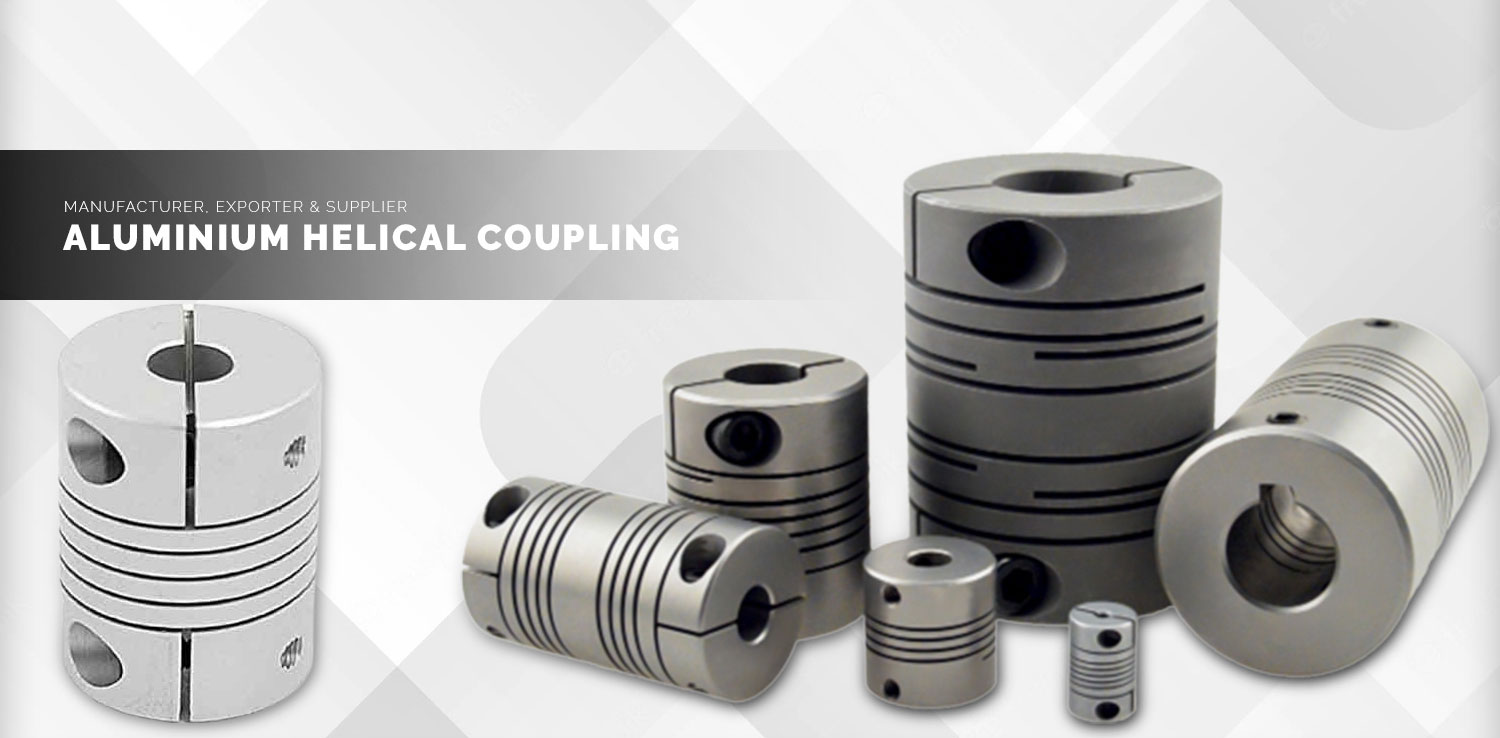
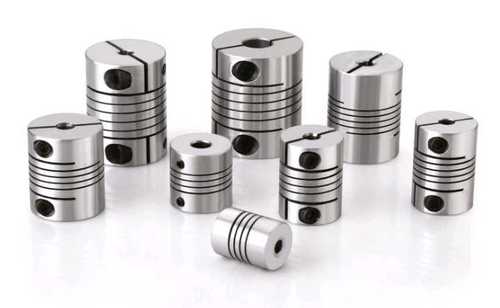
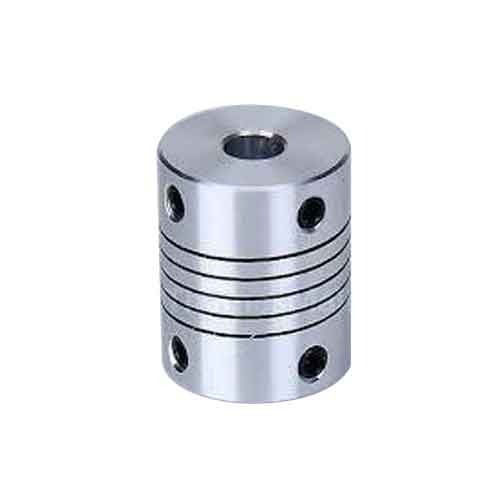
Rotary Encoder Coupling
200.00 - 225.00 INR/Pair
Product Details:
- Structure Flexible Coupling
- Shape Cylindrical
- Pressure Standard Atmospheric Pressure
- Material Aluminum Alloy / Stainless Steel
- Surface Treatment Polished
- Processing Type CNC Machined
- Dimension (L*W*H) Customizable, generally from 20x15 mm to 35x30 mm
- Click to view more
X
Rotary Encoder Coupling Price And Quantity
- 1 Pair
- 200.00 - 225.00 INR/Pair
Rotary Encoder Coupling Product Specifications
- 5 mm to 25 mm (various sizes)
- Varies by size (approx. 10g - 50g)
- 2.7 Gram per cubic centimeter(g/cm3)
- Aluminum Alloy / Stainless Steel
- As per model specification
- Standard Atmospheric Pressure
- Rotary Encoder Connection, Servo Drives, Stepper Motor Coupling
- Flexible Coupling
- Customizable, generally from 20x15 mm to 35x30 mm
- Cylindrical
- Polished
- CNC Machined
- >10,000 hours depending on operating conditions
- 3 mm to 16 mm (custom available)
- Up to 8000 rpm
- Set Screw or Clamp Type
- Good
- Radial, Angular, and Axial
- Yes
- -40C to +120C
- HRC 40-50
- 0.5 Nm to 5 Nm (Depends on size/model)
Rotary Encoder Coupling Trade Information
- 1000 Pair Per Month
- 1 Days
- Yes
- Sample costs shipping and taxes has to be paid by the buyer
- as per standard
- Australia, South America, Western Europe, Middle East, Asia, Central America, Eastern Europe, North America, Africa
- All India
Product Description
Rotary Encoder Coupling
We are leading manufacturer of Aluminium Coupling, Encoder Coupling, Aluminium Encoder Shaft Coupling, Flexible Encoder Coupling, Stainless Steel Encoder Coupling, Aluminium Flexible Coupling, Aluminium Servo Coupling, Aluminium Helical Coupling, Aluminum Spiral Coupling, Aluminum Spring Type Coupling, Disc Coupling, Composite Disc Coupling, Flexible Disc Coupling, Spring Type Coupling, Servo Coupling, Flexible Beam Coupling, Bellow Coupling, Helical Zero Backlash Coupling, Rotary Encoder Coupling, Beam Coupler, Helical Coupling, Spring Coupling, Flexible Coupling, Rotary Aluminium Coupling, Motor Encoder Coupling, Aluminium Flexible Beam Coupling, Aluminium Split Coupler, Aluminium Flexible Disc Coupling, Flexible Motor Shaft Coupling, Flexible Shaft Coupling, Multibeam Coupling from ahmedabad gujarat
Superior Misalignment Compensation
Our rotary encoder couplings efficiently address shaft misalignments-radial, angular, and axial-to ensure smooth and uninterrupted power transmission. The flexible cylindrical structure helps to minimize stress and wear on connected components, reducing maintenance needs and enhancing system longevity in varied automation setups.
High Torque and Speed Durability
Designed for versatile industrial applications, these couplings deliver robust torque transmission (0.5 Nm to 5 Nm) and can handle speeds up to 8000 rpm. Crafted from polished aluminum or stainless steel, and produced via CNC machining, they maintain performance consistency even under challenging operational environments.
Customizable for Your Application
With a hole diameter ranging from 3 mm to 16 mm (custom options available) and dimensions from 20x15 mm up to 35x30 mm, our couplings are tailored to fit diverse requirements. Their lightweight build and flexibility make them ideal for rotary encoder connections, servo drives, and stepper motor couplings.
FAQ's of Rotary Encoder Coupling:
Q: How do rotary encoder couplings compensate for misalignment?
A: These flexible couplings are specifically designed to accommodate radial, angular, and axial misalignments. Their cylindrical structural design allows for movement and flexibility, ensuring accurate and reliable torque transmission even when shafts are not perfectly aligned.Q: What materials are used to manufacture these couplings and how do they benefit the application?
A: Rotary encoder couplings are made from aluminum, aluminum alloy, or stainless steel. These materials offer excellent corrosion resistance, strength, low weight, and consistent performance, making them suitable for demanding industrial environments and extending service life.Q: When should I choose set screw vs. clamp type couplings?
A: Set screw types are ideal for secure holding in applications with minimal shaft movement or vibration. Clamp types provide higher holding force and are preferred when quick installation, adjustment, or superior concentricity is required, especially in precision rotary encoder or servo connections.Q: Where are these couplings commonly used?
A: They are widely utilized in automating machinery for connecting rotary encoders, servo drives, and stepper motors. Their design and material versatility suit various industries including automation, robotics, CNC machinery, and process control systems.Q: What is the expected lifespan and under what conditions can it be maximized?
A: The couplings are rated for over 10,000 hours, depending on operating conditions. Lifespan can be maximized by avoiding excessive loads, ensuring proper alignment during installation, and operating within the specified temperature and speed ranges (-40C to +120C, up to 8000 rpm).Q: How is vibration absorption achieved in these couplings?
A: Thanks to their flexible construction and choice of material, the couplings dampen vibrations and minimize transmission of mechanical shock between shafts, which helps protect sensitive rotary encoder and motor components and improves overall system accuracy.Q: What customization options are available for these couplings?
A: Customers can request specific bore diameters (3-16 mm and beyond), overall sizes, thickness, and even materials (aluminum, alloy, stainless steel) to suit unique application requirements. Custom designs are available for specialized installations.Tell us about your requirement

Price:
Quantity
Select Unit
- 50
- 100
- 200
- 250
- 500
- 1000+
Additional detail
Mobile number
Email

Other Products in 'Encoder Coupling' category



Address
GST : 24APHPP3348E1ZZ
- Shed No-27, Siddhi Estate, Near Shrinathji Estate, Panna Estate Road, Rakhial,Ahmedabad - 382415, Gujarat, India
- Phone : 07971191159
- Mr Rohit Patel
- Mobile :07971191159
- Mr. Gopal Patel
- Mobile :07971191159
- Send Inquiry
 Send Inquiry
|

 Send Inquiry
 Send SMS
HIGHWIN INDUSTRIES
All Rights Reserved.(Terms of Use)
Developed and Managed by Infocom Network Private Limited.
Developed and Managed by Infocom Network Private Limited.

